How to Choose the Best Memory Care Home for Your Loved One
Business Name: BeeHive Homes of Levelland
Address: 140 County Rd, Levelland, TX 79336
Phone: (806) 452-5883
BeeHive Homes of Levelland
Beehive Homes of Levelland assisted living care is ideal for those who value their independence but require help with some of the activities of daily living. Residents enjoy 24-hour support, private bedrooms with baths, medication monitoring, home-cooked meals, housekeeping and laundry services, social activities and outings, and daily physical and mental exercise opportunities. Beehive Homes memory care services accommodates the growing number of seniors affected by memory loss and dementia. Beehive Homes offers respite (short-term) care for your loved one should the need arise. Whether help is needed after a surgery or illness, for vacation coverage, or just a break from the routine, respite care provides you peace of mind for any length of stay.
140 County Rd, Levelland, TX 79336
Business Hours
When amnesia shifts from misplaced keys to missed meals, medication mistakes, or night wandering, households face a difficult turn. The ideal memory care home can support health, decrease distress, and bring back moments of ease. The incorrect setting can do the opposite, frequently at considerable cost. I have beinged in living rooms with adult kids who promised to keep Mom in your home forever, then finally requested for assistance when falls, hostility, or caregiver burnout pushed them beyond what love and grit could cover. Selecting well matters, and it is possible.
What memory care truly delivers
Memory care is a specific form of residential senior care developed for people dealing with dementia, including Alzheimer's illness, Lewy body dementia, vascular dementia, frontotemporal dementia, and combined discussions. Unlike traditional assisted living, which assumes a constant level of independence, memory care prepares for cognitive change throughout the day and throughout months or years. Personnel are trained to hint, reroute, simplify options, and prevent preventable crises. An excellent neighborhood pairs structure with flexibility so residents can be successful without continuous correction.
Expect 24 hr guidance, secured borders or managed exits, purposeful activity programs that prevent overstimulation, and staff who comprehend behavioral expressions of distress. Medication management is standard. Numerous communities offer on site going to clinicians, physical or occupational therapy partners, and coordination with hospice when the time comes. The daily rhythm matters more than features. A memory care wing tucked inside a bigger assisted living can work if the program runs distinctly. Standalone buildings can also be excellent, particularly if they were designed from the ground up for dementia care instead of retrofitted.
Skilled nursing centers with dementia systems exist, however they serve a different clinical niche, often with greater medical intricacy. If your loved one requires tube feeding, everyday injury care, or frequent injections, a nursing home might be the best fit. For the majority of people with moderate dementia, memory care uses the ideal blend of assistance, security, and social life.
The moment to start looking
Families often wait for a tipping point. It normally looks like among these patterns: duplicated wandering or getting lost, two or more falls within 6 months, resistance to bathing that escalates into conflict, caretaker fatigue with overnight guidance, or medications taken incorrectly despite pillboxes and alarms. Emergency room visits for dehydration or a urinary system infection are another signal. If you see any of these, start touring, even if you hope to keep your loved one at home a bit longer. Good locations can have waitlists of 6 weeks to 6 months.
Consider respite care as a bridge. Lots of memory care communities provide short stays, typically a week to a month, that let you test the fit, support a regular, and give household caregivers a genuine break. Respite can show whether a resident settles in a neighborhood environment, and it surface areas practical questions you may miss on a fast tour.
Clinical proficiencies that separate average from excellent
Families naturally concentrate on design, however the work happens in how individuals are taken care of at 2 a.m. Scientific depth differs widely. You can not evaluate it by chandeliers or a fresh coat of paint.
Staffing ratios matter, however request for the whole photo. A community might state 1 personnel to 6 homeowners by day and 1 to 10 at night, however that count might omit the nurse, med tech, or activity staff. Ask the number of direct care aides are designated to the memory care system on each shift, and whether those assistants are committed to your system or float throughout the building. Stability helps homeowners who count on familiar faces to cue the next step.
On website nurse coverage is another differentiator. Some neighborhoods have a RN or LPN on website 8 to 12 hours daily, with on call assistance overnight. Others offer only on call coverage at all times. If your loved one has diabetes, cardiac arrest, anticoagulation, or frequent infections, genuine nurse presence reduces the path from subtle decline to intervention. Enjoy how medication passes are handled. A med tech rushing with a cart recommends throughput is the priority. A med passer who kneels, makes eye contact, and uses single action instructions comprehends dementia care.
Training content counts more than training hours. Search for communities utilizing evidence notified approaches such as Teepa Snow's Favorable Technique to Care, Montessori based dementia activity approaches, or Dementia Care Mapping. Ask how often they revitalize abilities and whether brand-new hires shadow experienced memory care staff before taking a complete assignment. I like to hear stories of how personnel avoided a crisis, not just how they managed one. For instance, an assistant who silently switches a resident's path after lunch to prevent the door he typically attempts is practicing prevention, not simply redirection.
Behavioral health assistance is a common space. If a loved one has hallucinations, misconceptions, or anxiety that aggravates later in the day, examine whether the community works with a geriatric psychiatrist or neuropsychologist. Be careful settings that default to sedating medications when activities, environment, or day-to-day routine modifications could resolve half the problem without side effects.
Safety and environments that do not feel like prisons
Good memory care balances safety with self-respect. Secured doors ought to be discreet, not the first thing a visitor notices. See residents distribute. Do they get stuck at exits or circulation toward inviting spaces? Corridors need to be short, with clear sight lines, consistent lighting, and visual hints that reduce confusion. Glare on refined floors can appear like water to individuals with dementia and trigger avoidance. Patterned carpets can create the impression of actions or items and increase fall risk. Hand rails that contrast with the wall, not mix in, encourage stable walking.
Private restrooms need to have grab bars, a shower seat, and shelving within arm's reach so citizens do not twist or flex to discover soap. A raised toilet, contrasting seat color, and a clear course from bed to toilet lower night falls. Doors should support privacy with oversight. Dutch doors or half doors help personnel hint without intruding.
Outdoor gain access to is not a luxury. A safe, enclosed garden with large courses and seating gives uneasy walkers a location to go. I have seen late afternoon agitation stop by half when a neighborhood developed a basic looping path with a bird feeder and a bench at each turn. Fresh air assists appetite and sleep.
A final word on alarms. Bed and chair alarms can prevent falls, but they also scare residents and condition personnel to run instead of engage. The much better solution is proactive rounding, regular toileting, and a space layout that makes safe movement the path of least resistance.
Daily life that feels like life
Memory care should not be a long passage of televisions. A full day consists of small group activities, sensory experiences, and familiar jobs residents can do well adequate to feel helpful. Folding towels, setting tables, watering plants, polishing flatware with a soft fabric, or arranging buttons by color can be more restorative than a scheduled bingo hour. The goal is not to inhabit time, it is to stimulate abilities that still exist.
Look beyond the posted activities calendar. Calendars can be aspirational. Ask what happens in between 5 and 7 p.m. When sundowning typically peaks. Who leads early morning regimens for homeowners who wake early, and how do they support night owls who sleep later? A good neighborhood meets citizens where they are. Meals should be foreseeable, with options provided simply. Finger foods can preserve independence for those who struggle with utensils. Hydration stations with visible, simple to hold cups beat reminders to drink more.
Families often focus on amenities. A cinema or salon is nice, but the genuine amenity is a staff member who understands your mother takes sugar in her tea which she likes to walk the halls after lunch, coming by the exact same framed photo to talk about her wedding event. Culture lives in those details.
The real costs and how to check out a contract
Market rates differ by region, however memory care usually costs more than standard assisted living due to the fact that of staffing and security. In numerous city locations, expect a base rate of 5,000 to 9,000 dollars monthly. Include care levels and you can land in between 6,500 and 12,000 dollars. Some high acuity residents, especially those requiring 2 individual transfers or continuous cueing, might reach 14,000 dollars or more. Backwoods may run lower, in some cases by 15 to 25 percent.
There are 2 typical prices designs. One is all inclusive: a single regular monthly fee covers real estate, meals, standard care, and the majority of products. The other is charge for service: a lower base lease plus tiered care charges connected to assessed requirements, such as bathing help or incontinence care. All inclusive feels simpler, but it can be more costly for low acuity citizens. Tiered models can begin inexpensive, then increase quickly after reassessment. Ask how frequently reassessments happen and what triggers them. A service provider that reassesses monthly might capture necessary assistance early, but it may likewise raise costs faster.
Long term care insurance coverage may cover a part of memory care if the policy sets off on cognitive problems or inability to carry out 2 or more activities of daily living. Veterans may qualify for Help and Presence. Medicaid protection depends upon your state's waiver programs and the community's licensure. Numerous communities are personal pay only. If cash is tight, ask early about spend down policies, whether the community keeps homeowners after private funds run out, and whether they have Medicaid accredited sister facilities.
Pay attention to move in charges, community fees, 2nd resident charges, and care level prices bands. Clarify what is billable: incontinence products, transportation for appointments, drug store shipment, and on website treatments often bring separate charges. A clear, line product description indicates a transparent provider.
How to evaluate a place beyond the tour
Tours are theater. The better you prepare, the more you will translucent scripted lines. Visit more than as soon as, at different times. Late afternoon reveals a community's true character. Weekends expose depth when administrative personnel are not present. Ask to observe a meal and an activity. Step into a resident hallway. Odor matters. Strong smells can be a sign of understaffing or bad infection control.
Bring an easy checklist and utilize it moderately so you can still look and listen.
- Staffing truth check: count noticeable aides, ask which shifts have the most call lights, and how often agency personnel are used
- Clinical existence: validate nurse hours on site, how after hours immediate issues are dealt with, and which outside clinicians round regularly
- Engagement beyond the calendar: view whether locals are active in between scheduled programs, not simply throughout them
- Communication in action: listen to how personnel talk to homeowners, with regard and simple choices instead of commands
- Safety without restraint: search for unobtrusive exits, safe outside space, and bathrooms established to promote independence
If a community refuses an unannounced follow up visit, remember. It does not need to be long, but a service provider positive in everyday operations normally accommodates.
Questions that expose genuine practice
Stories are harder to phony than policies. Ask an administrator to inform you about a time a resident ended up being physically aggressive and how staff de intensified the scenario. Ask the nurse what they do when a resident stops eating, and what actions come before calling the medical professional. Ask an assistant how they would help someone who resists bathing and what time of day generally works finest. Ask the activity director how they consist of a resident who declines group activities. The responses will either specify and humane, or unclear and procedural.
Ask likewise about health center transfers. Does the community have standing orders that keep small issues in home, like a procedure for thought urinary tract infections that consists of hydration and on site testing before an ambulance call? Regular transfers can senior care near me decondition homeowners and set off delirium. A thoughtful danger tolerance, paired with prompt physician support, reduces those spirals.
Try before you buy: the case for respite care
Respite care is not just for household relief. It can be a real test drive for dementia care. A 7 to 2 week remain lets staff discover your loved one's patterns while you learn the staff's. You will find if your father consumes much better with finger foods or if he needs a morning walk to lower his late afternoon pacing. You will likewise find out how the neighborhood interacts. Do they call for every little change, or do they fix little problems and update you in an absorbable way?
Expect an everyday rate for respite, typically 200 to 400 dollars depending on region and level of care, with a minimum stay. Bring familiar products: a preferred blanket, framed pictures, a lamp from home, and the soap he likes. Even in a brief stay, these touches speed settling. If respite goes well, transitioning to an irreversible placement typically takes less psychological energy. If it does not work out, you have actually found out at a lower expense what to prioritize next time.
Culture fit: language, faith, identity, and food
Clinical quality without cultural fit leaves families and citizens anxious. If your mother speaks another language when tired, see if any staff members share it or if the community has homeowners from comparable backgrounds. If faith practices matter, ask how they are supported. Vacations, music, and food carry deep memory. I have actually viewed a resident who overlooked lunch illuminate at the odor of cardamom rice, then consume well for the first time in a week.
LGBTQ+ older grownups frequently carry warranted concerns about discrimination. Ask directly about personnel training on inclusive care, whether residents can share rooms no matter gender, and how the neighborhood addresses disrespect among homeowners. A place that responds to plainly will likewise protect your loved one when you are not there.
Red flags and trade offs
No supplier is ideal. However some problems anticipate bigger ones. High firm staffing week after week means your loved one will see new faces continuously. Locked fridges or stringent treat policies can show a control oriented mindset instead of an individual centered one. Residents who appear sedated mid early morning recommend overuse of psychotropic medications. A beautiful structure with empty common areas can indicate the activity program is thin or citizens are restricted to spaces too often.
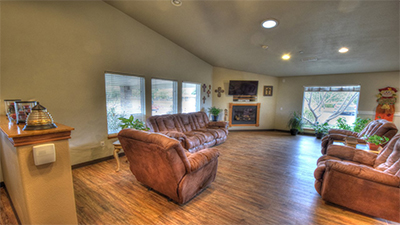
On the other hand, do not dismiss a smaller, older structure if the staff radiate heat and proficiency. I know a 24 bed memory care with scuffed baseboards and the very best track record for weight stability and fall reduction in a 5 county radius. Households in some cases choose it after attempting a flashier location where Mom decreased behind closed doors. Trade appearances for outcomes.
Prepare for relocation in like a little project
Moving a person with dementia is not simply logistics. It is choreography. Start with a short life story that personnel can check out in 5 minutes: favored name, day-to-day rhythms, professions, hobbies, crucial people, worries, foods that comfort, and triggers to avoid. Include an existing image and one from midlife, when numerous memories anchor. Label clothing plainly. Choose comfy shoes with non slip soles. Bring bedding and a couple of favorite objects, however do not clutter. A lot of knickknacks become tripping threats or frustrating puzzles.
Plan arrival for a time your loved one usually does well. Early mornings frequently work much better. Keep the space set up basic and familiar. Stay enough time to see the very first activity or meal, then go back so staff can develop the new regimen. Expect a rough first 72 hours. Even the best transitions can look untidy before they settle. Provide the community any convenience scripts you have actually utilized in the house: the words that helped Dad accept a shower, or the method you use choices throughout dressing.
Your role after placement: present, not hovering
Families in some cases swing from hands on caregiving to near total handoff. Stay engaged, but do not weaken staff by redoing care tasks throughout every visit. Set a cadence for interaction that works for both sides, possibly a weekly check in call with the nurse and fast texts for small updates. Visit at different times to see a fuller picture. Keep an eye on weight, swellings, and mood, but likewise look for favorable modifications: steadier walking, much better hunger, less frenzied calls home.
Bring purposeful products for visits. A deck of large print cards, a little picture album, cold cream for a calming hand massage, or a preferred snack can turn a visit into quality time. If you see an issue, raise it promptly and specifically. Instead of saying, "She looks unkempt," attempt, "I observed Mom's nails are long and snagging. Can we add nail care to her individual care plan twice a week?" Clarity welcomes action.
Crisis planning and medical facility transitions
Even with the very best care, hospital journeys happen. Ask the community to prepare a grab and go packet: medication list, advance directive, healthcare proxy, allergies, baseline cognitive and practical status, and a brief behavioral profile for the emergency situation department team. Hospitals can mistake dementia associated uneasyness for psychiatric agitation and medicate reflexively. A one page note that states, "Mrs. X ends up being nervous under intense lights. Please speak gradually, provide one choice at a time, and prevent benzodiazepines if possible," can conserve hours of distress.
Plan for the return too. Delirium after hospitalization prevails in dementia. Ask whether the neighborhood can increase observation for a week, include hydration hints, and momentarily adjust sleep routines to re anchor days and nights. A strong collaboration between the memory care nurse and the medical care company shortens recovery.
Two places, one life: when couples need different care
One of the thorniest dilemmas occurs when one spouse needs memory care and the other does not. Some neighborhoods allow the much healthier partner to live in independent or assisted living on the exact same campus while visiting easily. This setup maintains shared routines without overwhelming the well spouse. If co residing remains important, ask whether the memory care unit can accommodate a two individual apartment and how the care group secures the needs of both people. Anticipate compromises. The well partner may trade some self-reliance for the security and predictability the other requires.
Five agreement stipulations to check out twice
Signing day arrives rapidly as soon as a room opens. Slow it down long enough to inspect terms that will shape your experience.
- Negotiated danger agreements: comprehend any recorded exceptions to basic security practices, such as permitting independent dining despite choking risk, and how often these are reviewed
- Discharge requirements: understand exactly what activates a needed leave, such as duplicated aggressive behavior, financial default, or medical needs beyond license
- Rate boost policy: try to find caps, notice durations, and whether increases use to base lease, care levels, or both
- Resident assessment procedure: validate who conducts evaluations, how household input is integrated, and the appeal procedure if you disagree with a new care level
- Arbitration and legal terms: choose whether you are comfortable waiving the right to a jury trial and how conflicts are handled
If a clause feels uneven, ask if it is flexible. Even if the response is no, the conversation will reveal how the company deals with pushback.
When to alter course
Sometimes the first option ends up being the wrong one. Patterns to watch: repeated medication errors, unreturned calls, staff turnover so high you never ever see the same face two times, regular unusual contusions, or rapid weight reduction without a clear strategy to address it. If your gut says the fit is off, revisit your shortlist. Document issues, provide the existing company a chance to correct them, and set deadlines. A prompt relocate to a better fit can slow decline that looks inescapable however is not.
I think frequently of Mr. Alvarez, a retired mechanic who paced all the time in your home, breaking two caretakers and his child, who worked nights. His first placement was glossy and peaceful. Within a month he refused meals and lost 8 pounds. We moved him to a smaller memory care where the activity director took out a box of old carburetors and let him play with safe tools at a workbench twice a day. He regained 5 pounds, slept through the night, and stopped trying to exit. Very same diagnosis, various result, due to the fact that the setting fit the man.
The decision you can live with
Choosing memory care is not about excellence. It is about aligning capabilities with requirements, values with culture, and cost with resources. Collect facts, however likewise read the human signals: how personnel speak with locals, whether laughter rises from down the hall, how rapidly someone notices a need and transfers to meet it. Usage respite care to test, inspect agreements with clear eyes, and prepare the move like the tender job it is. The right home for dementia care does not remove loss, however it can include safety, ease, and small day-to-day delights that still amount to a life.
BeeHive Homes of Levelland provides assisted living care
BeeHive Homes of Levelland provides memory care services
BeeHive Homes of Levelland provides respite care services
BeeHive Homes of Levelland supports assistance with bathing and grooming
BeeHive Homes of Levelland offers private bedrooms with private bathrooms
BeeHive Homes of Levelland provides medication monitoring and documentation
BeeHive Homes of Levelland serves dietitian-approved meals
BeeHive Homes of Levelland provides housekeeping services
BeeHive Homes of Levelland provides laundry services
BeeHive Homes of Levelland offers community dining and social engagement activities
BeeHive Homes of Levelland features life enrichment activities
BeeHive Homes of Levelland supports personal care assistance during meals and daily routines
BeeHive Homes of Levelland promotes frequent physical and mental exercise opportunities
BeeHive Homes of Levelland provides a home-like residential environment
BeeHive Homes of Levelland creates customized care plans as residents’ needs change
BeeHive Homes of Levelland assesses individual resident care needs
BeeHive Homes of Levelland accepts private pay and long-term care insurance
BeeHive Homes of Levelland assists qualified veterans with Aid and Attendance benefits
BeeHive Homes of Levelland encourages meaningful resident-to-staff relationships
BeeHive Homes of Levelland delivers compassionate, attentive senior care focused on dignity and comfort
BeeHive Homes of Levelland has a phone number of (806) 452-5883
BeeHive Homes of Levelland has an address of 140 County Rd, Levelland, TX 79336
BeeHive Homes of Levelland has a website https://beehivehomes.com/locations/levelland/
BeeHive Homes of Levelland has Google Maps listing https://maps.app.goo.gl/G3GxEhBqW7U84tqe6
BeeHive Homes of Levelland Assisted Living has Facebook page https://www.facebook.com/beehivelevelland
BeeHive Homes of Levelland Assisted Living has YouTube page https://www.youtube.com/@WelcomeHomeBeeHiveHomes
BeeHive Homes of Levelland won Top Assisted Living Homes 2025
BeeHive Homes of Levelland earned Best Customer Service Award 2024
BeeHive Homes of Levelland placed 1st for Senior Living Communities 2025
People Also Ask about BeeHive Homes of Levelland
What is BeeHive Homes of Levelland Living monthly room rate?
The rate depends on the level of care that is needed. We do an initial evaluation for each potential resident to determine the level of care needed. The monthly rate is based on this evaluation. There are no hidden costs or fees
Can residents stay in BeeHive Homes until the end of their life?
Usually yes. There are exceptions, such as when there are safety issues with the resident, or they need 24 hour skilled nursing services
Do we have a nurse on staff?
No, but each BeeHive Home has a consulting Nurse available 24 – 7. if nursing services are needed, a doctor can order home health to come into the home
What are BeeHive Homes’ visiting hours?
Visiting hours are adjusted to accommodate the families and the resident’s needs… just not too early or too late
Do we have couple’s rooms available?
Yes, each home has rooms designed to accommodate couples. Please ask about the availability of these rooms
Where is BeeHive Homes of Levelland located?
BeeHive Homes of Levelland is conveniently located at 140 County Rd, Levelland, TX 79336. You can easily find directions on Google Maps or call at (806) 452-5883 Monday through Sunday 9:00am to 5:00pm
How can I contact BeeHive Homes of Levelland?
You can contact BeeHive Homes of Levelland by phone at: (806) 452-5883, visit their website at https://beehivehomes.com/locations/levelland/,or connect on social media via Facebook or YouTube
You might take a short drive to the Levelland City Park.Levelland City Park provides shaded areas and benches that enhance assisted living, senior care, elderly care, and respite care outdoor activities.